
Every project is approached with a focus on clarity, proportion, and long-term relevance. Design decisions are made with equal consideration for function, aesthetics, and context, ensuring the interior remains coherent over time.
Careful judgement is applied throughout the process, balancing design ambition with practical constraints to achieve considered, well-resolved outcomes.
-
1. Design Brief & Concept Stage
This stage establishes the foundation of the project by setting the scope, priorities, and overall design direction.
We begin by developing a clear design brief that considers how the space will be used, the project constraints, and the intended level of intervention. Based on this, the scope of work is defined and the project framework is established.
At this stage, responsibilities, timelines, and key milestones are clarified to ensure alignment before design development begins.
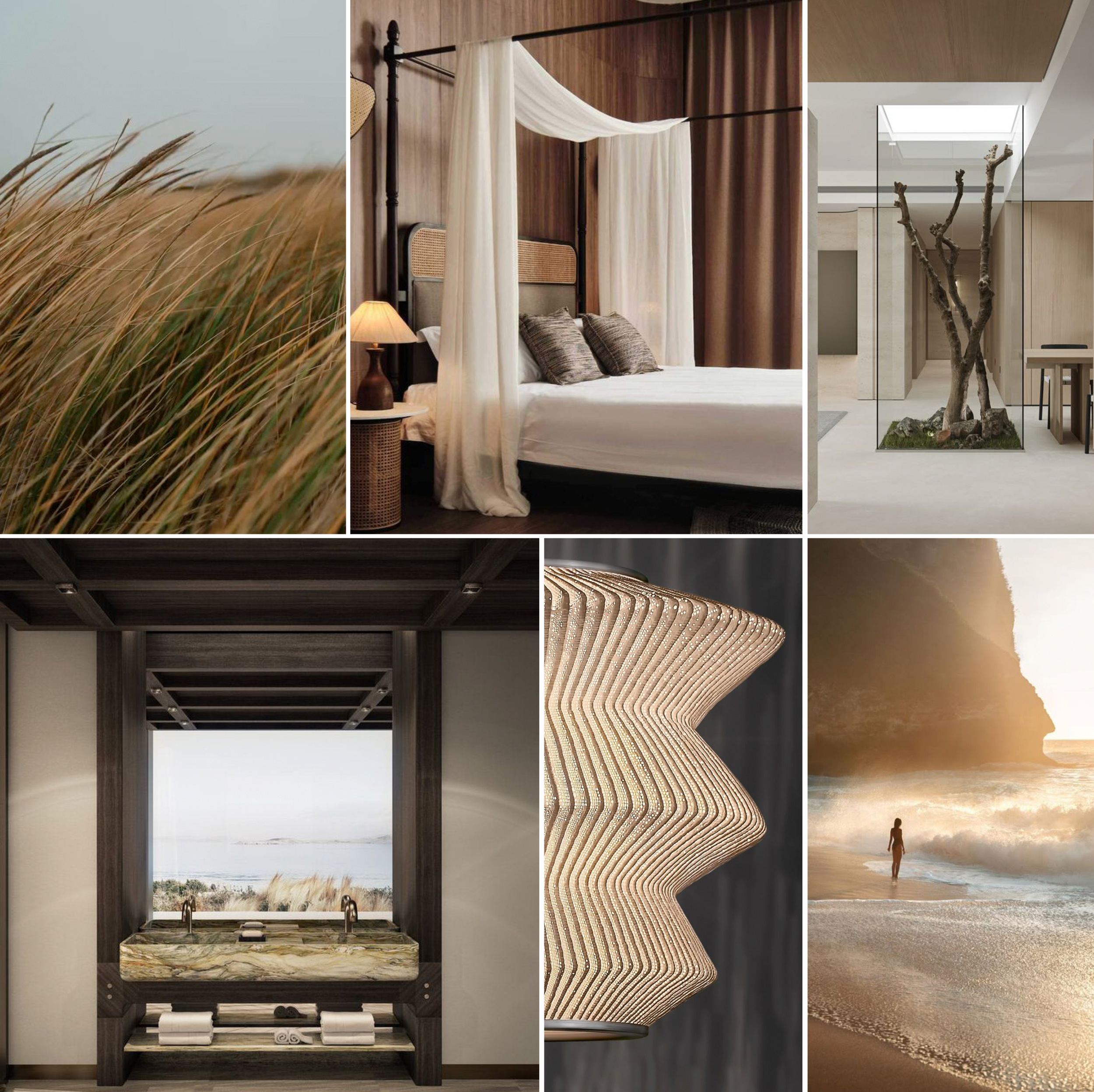
The concept phase focuses on shaping the architectural and visual direction of the project. Through spatial studies, reference imagery, and defined design principles, a coherent concept is developed to guide all subsequent stages of work.
This phase sets the tone, structure, and intent of the project before progressing into detailed design.
-
2. Design Development Stage
During the Design Development stage, the approved concept is translated into a defined and coordinated interior design.
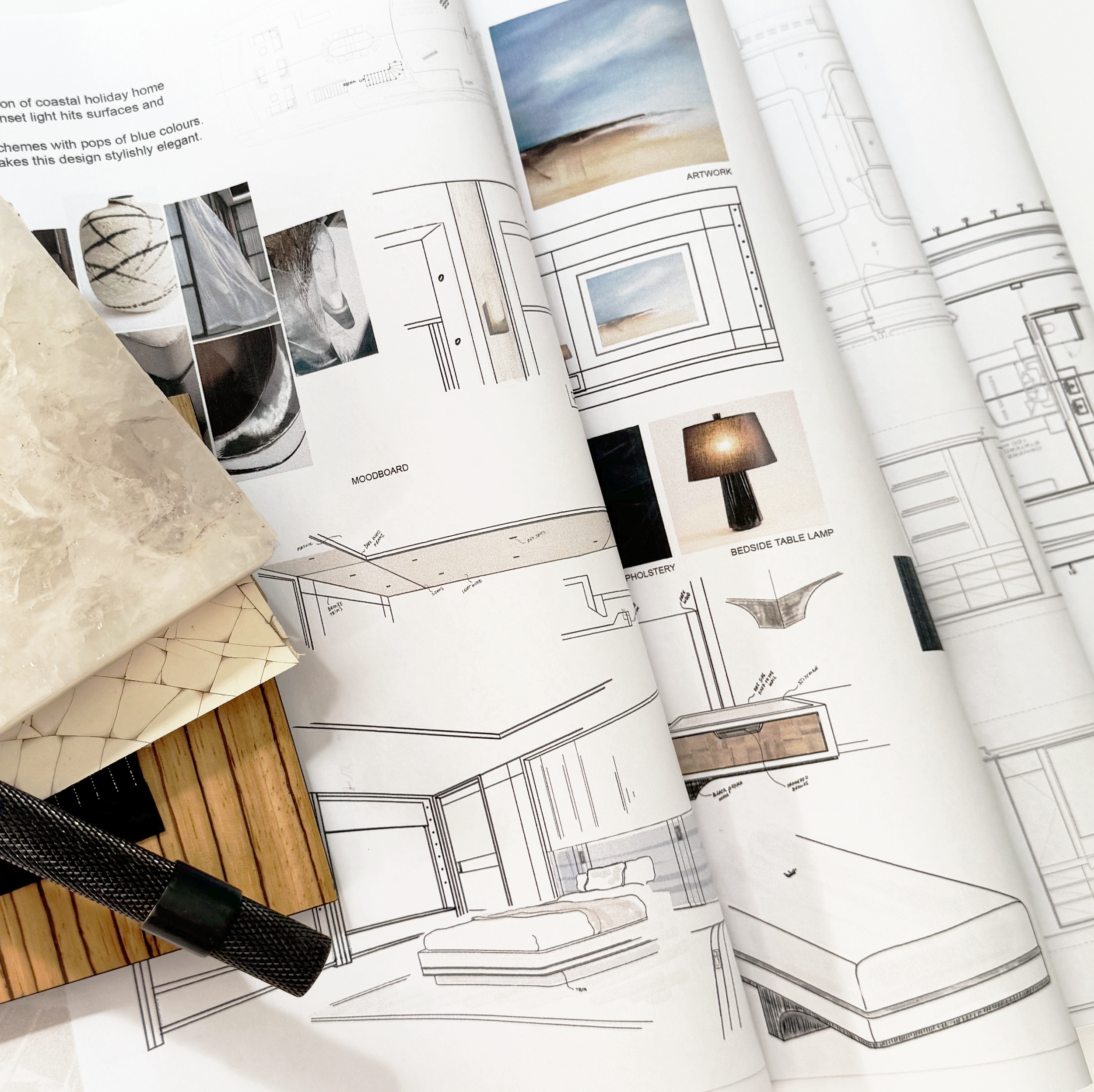
The design is refined through detailed studies, drawings, and visual representations that clarify proportions, relationships, and key design decisions.
Materials, finishes, furniture, lighting, and bespoke elements are specified in line with the established design direction. Where required, custom pieces are developed to suit the project’s spatial and functional requirements.
Design proposals are documented through plans, elevations, sections, and supporting drawings necessary to progress the interior scheme with clarity and consistency.
Where applicable, the design is developed in coordination with existing architectural drawings to ensure technical alignment and accuracy.
-
3. FF&E Specifications & Procurement Stage
This stage focuses on the detailed specification of all interior elements required to realise the approved design.
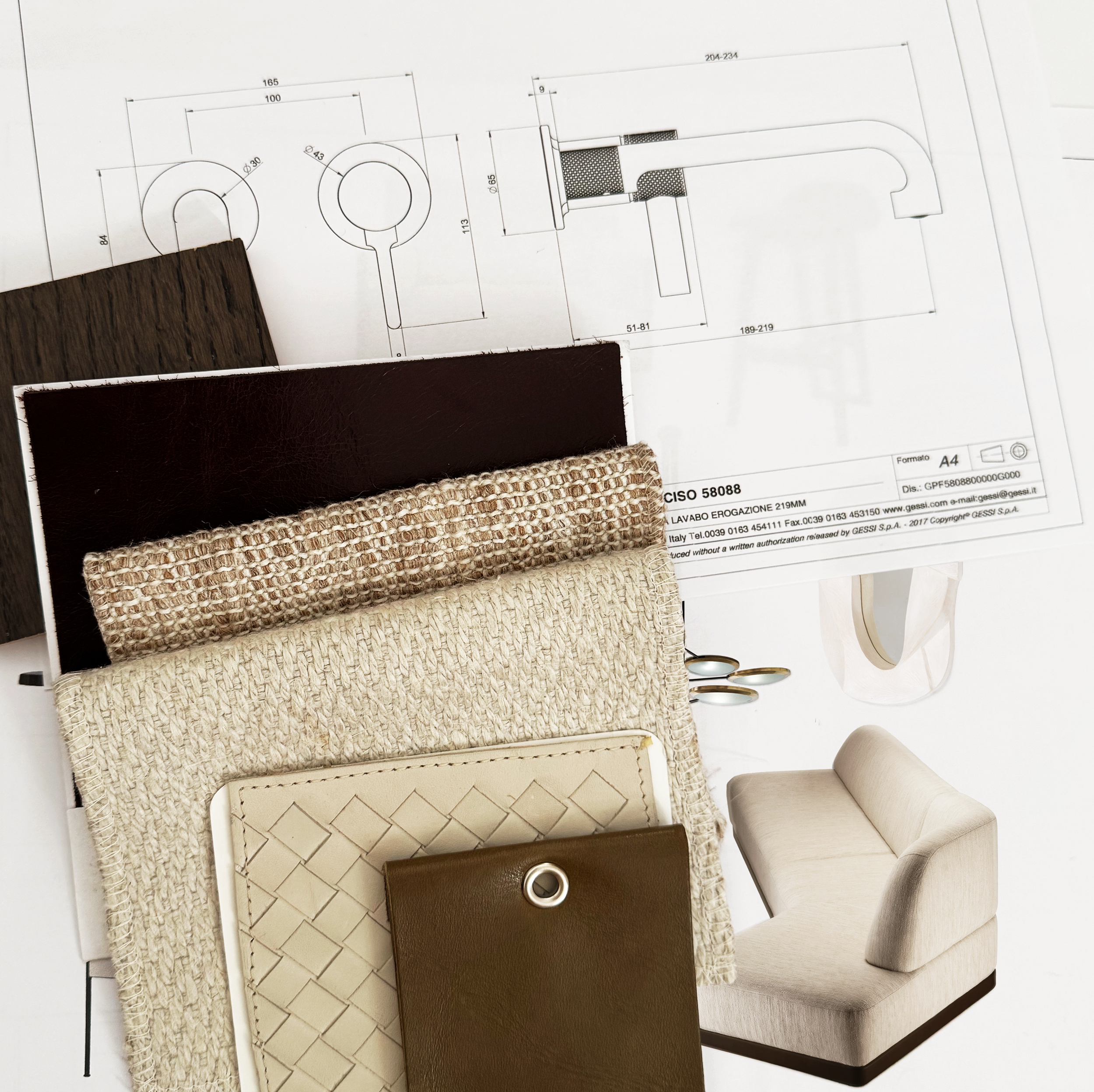
FF&E schedules are developed to define materials, finishes, furniture, lighting, sanitaryware, and other specified elements in line with the established design direction.
Specifications are prepared with consideration for lead times, availability, and project sequencing, providing a clear framework to support procurement and implementation by appointed suppliers and contractors.
This stage ensures that all interior components are clearly defined and coordinated before the project progresses to delivery and installation.
-
4. Installation & Styling Stage
At this stage, the interior design is brought together on site in line with the approved drawings and specifications.
Design involvement focuses on maintaining alignment with the design intent during installation, responding to queries as required and supporting accurate interpretation of the design.
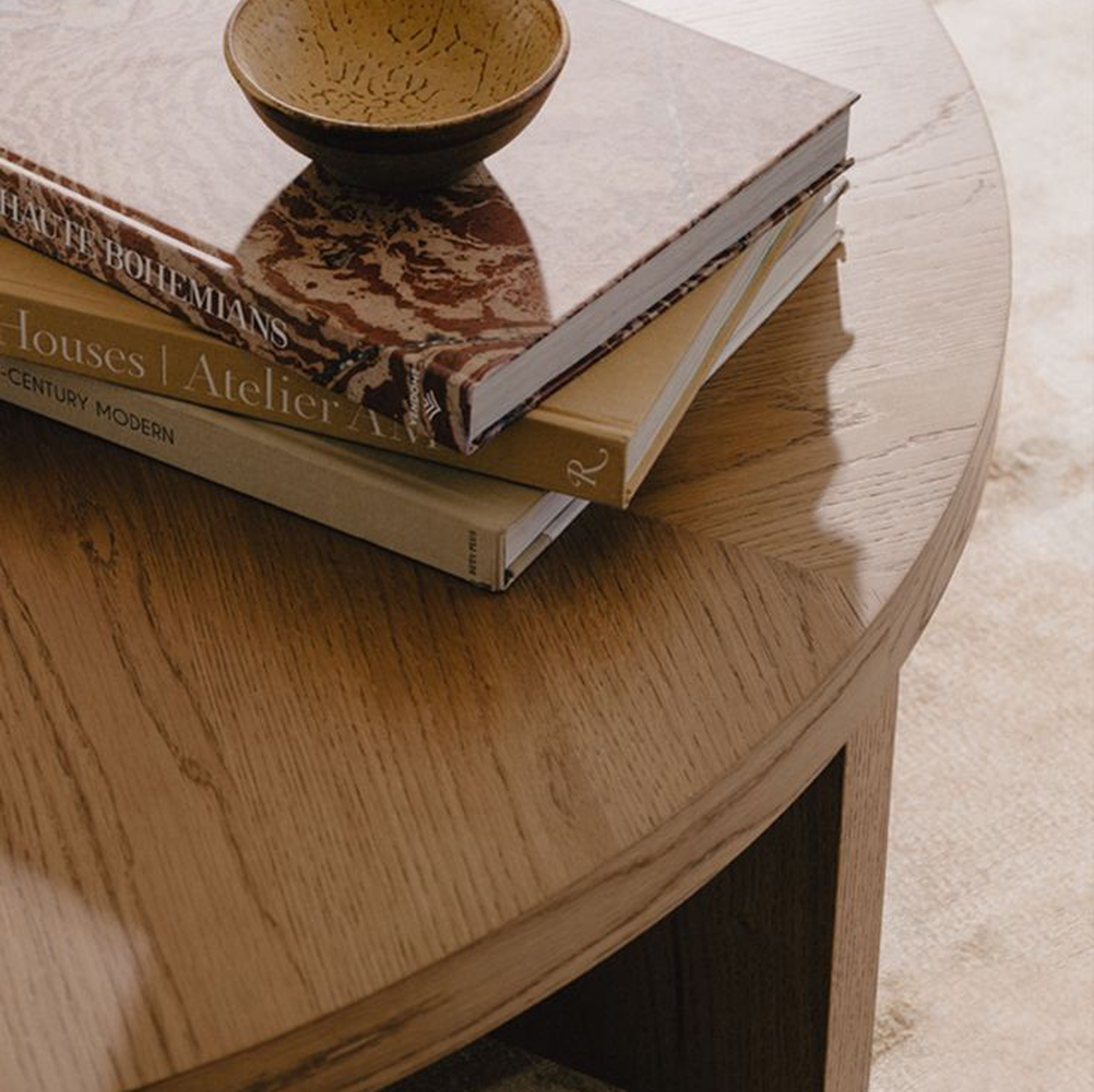
Once installation is complete, the final styling phase integrates artwork, objects, textiles, and selected furnishings to achieve visual cohesion and balance.
This stage completes the interior, ensuring the space is resolved consistently with the original design direction.